What duende is — and why it can't be explained
García Lorca tried in 1933 with a lecture in Buenos Aires. Seventy years on, the cantaores at the cortijo are still chasing it every Thursday, unsure if it will come.
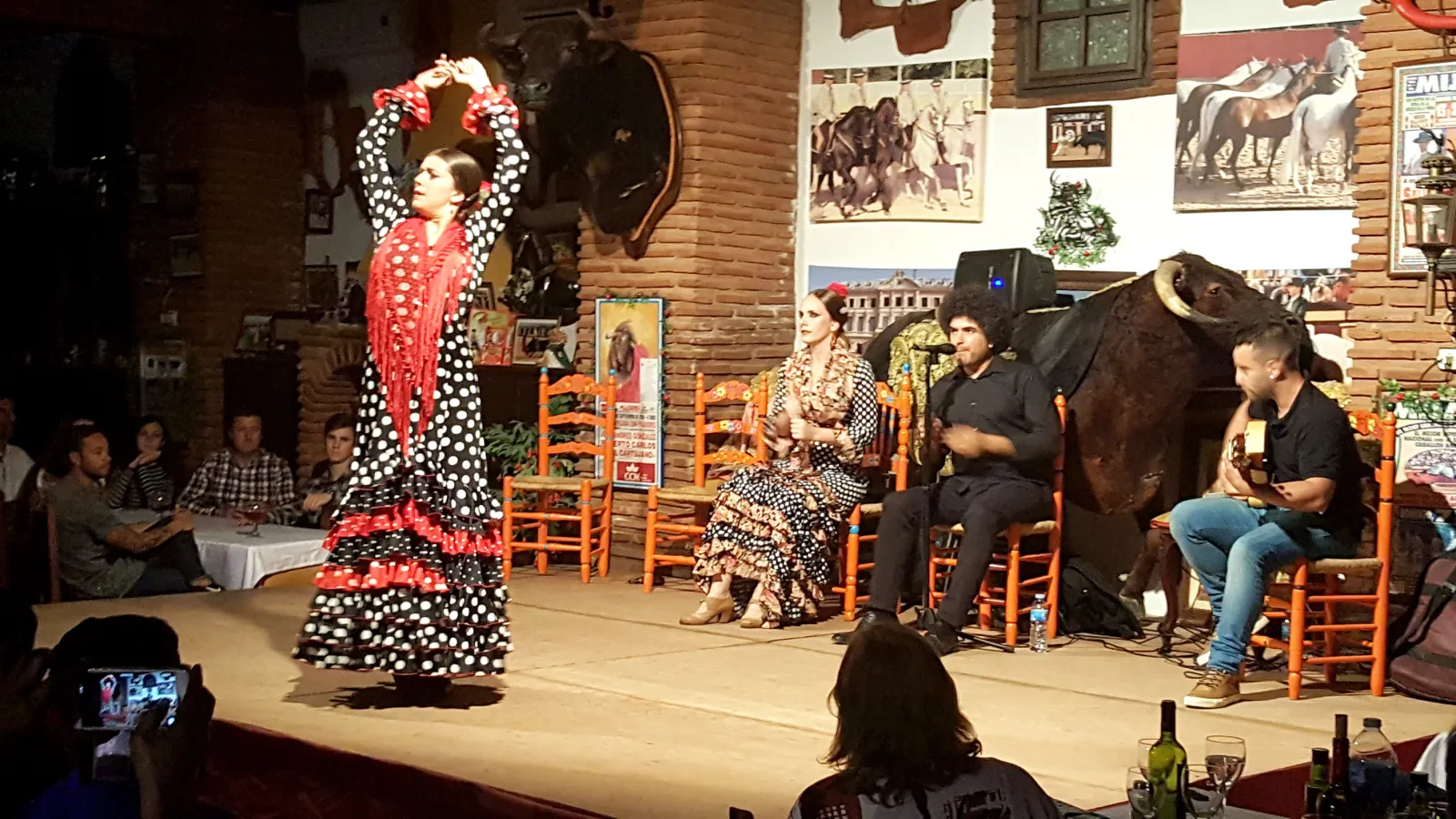
There are nights at the cortijo when the cantaor looks up at the ceiling, closes his eyes, and after a silence that feels eternal, releases a wail that stops the dinner. The food goes cold. Forks freeze midair. Something has happened: duende has arrived.
It is the most used and worst-explained word in all of flamenco. It isn't technique, it isn't virtuosity, it isn't even emotion. It's something that either happens or doesn't, and the entire audience knows it the moment it does.
What Lorca said
In 1933, Federico García Lorca delivered a lecture in Buenos Aires titled "Theory and Play of the Duende." For him, duende was not a muse descending onto the artist — that was the angel — nor an inner voice dictating — that was intelligence. Duende, he said, rises from the earth, from the soles of the feet, and "wounds."
"Duende does not come unless it sees the possibility of death."
— Federico García Lorca
The line sounds exaggerated until you've witnessed cante jondo live. Then you understand Lorca wasn't speaking in metaphors. He was talking about a cantaor risking his voice, his breath, his balance. And sometimes, he wins.
Duende at the cortijo
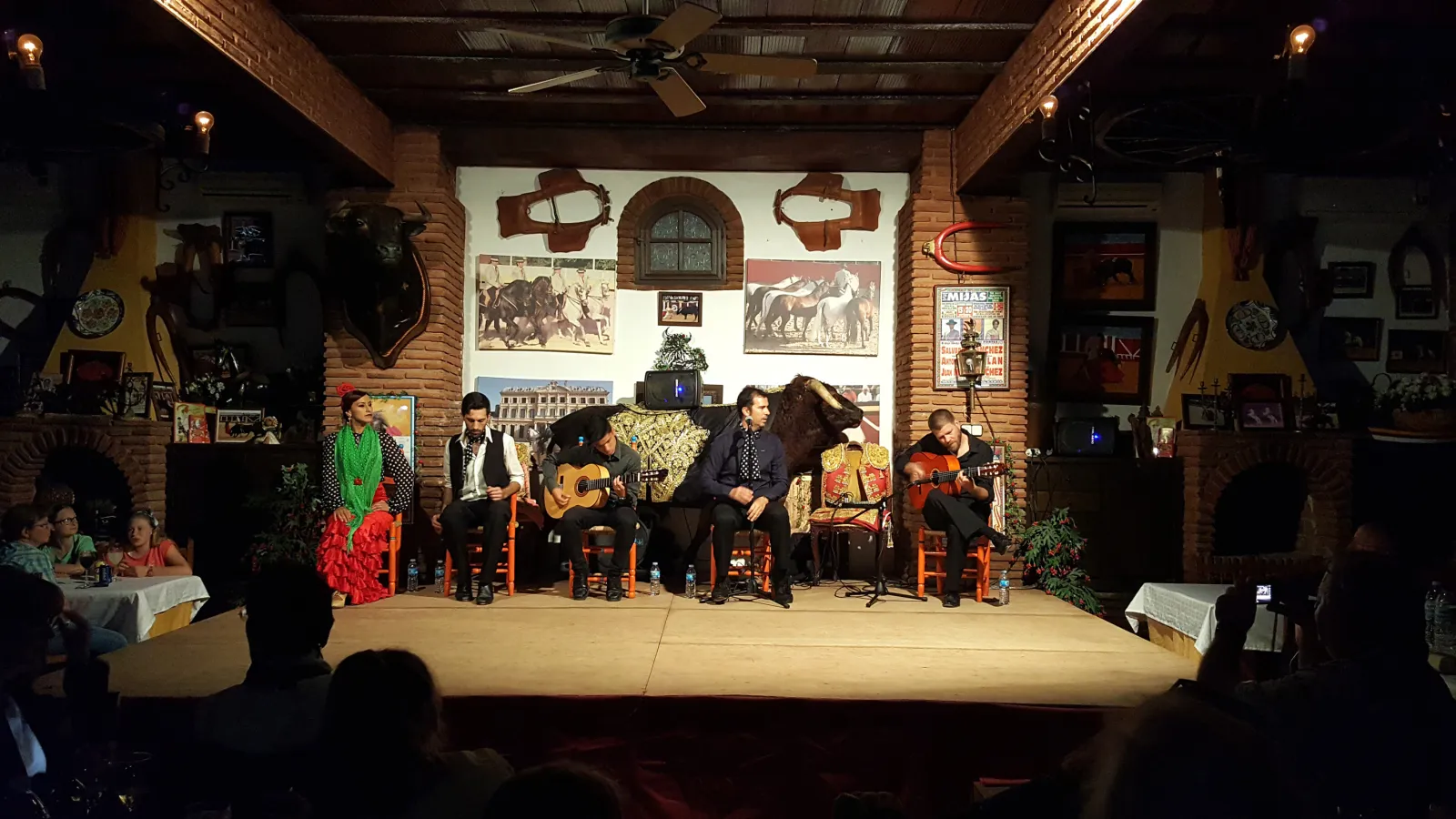
We've been doing family flamenco for two decades. We've had glorious nights and cold nights. Duende isn't a lightbulb you switch on: it depends on the cantaor, on the audience, on the light, on the wine, on something that can't be named.
What we do know is that duende doesn't appear in big theaters with perfect sound. It appears a meter from your table, when guitar and voice nearly collide, when you can hear the dancer breathing. That's why we keep doing it this way, in a small hall, with candles and no microphones.
How to know you've seen duende
- You forget your phone is in your pocket.
- You feel something in the back of your neck, not in your ears.
- At the end of the night, you don't quite know what to say.
- You stay quiet, without meaning to, all the way home.
And if it doesn't appear that night, it will the next. That's duende: it isn't hired, it's awaited.